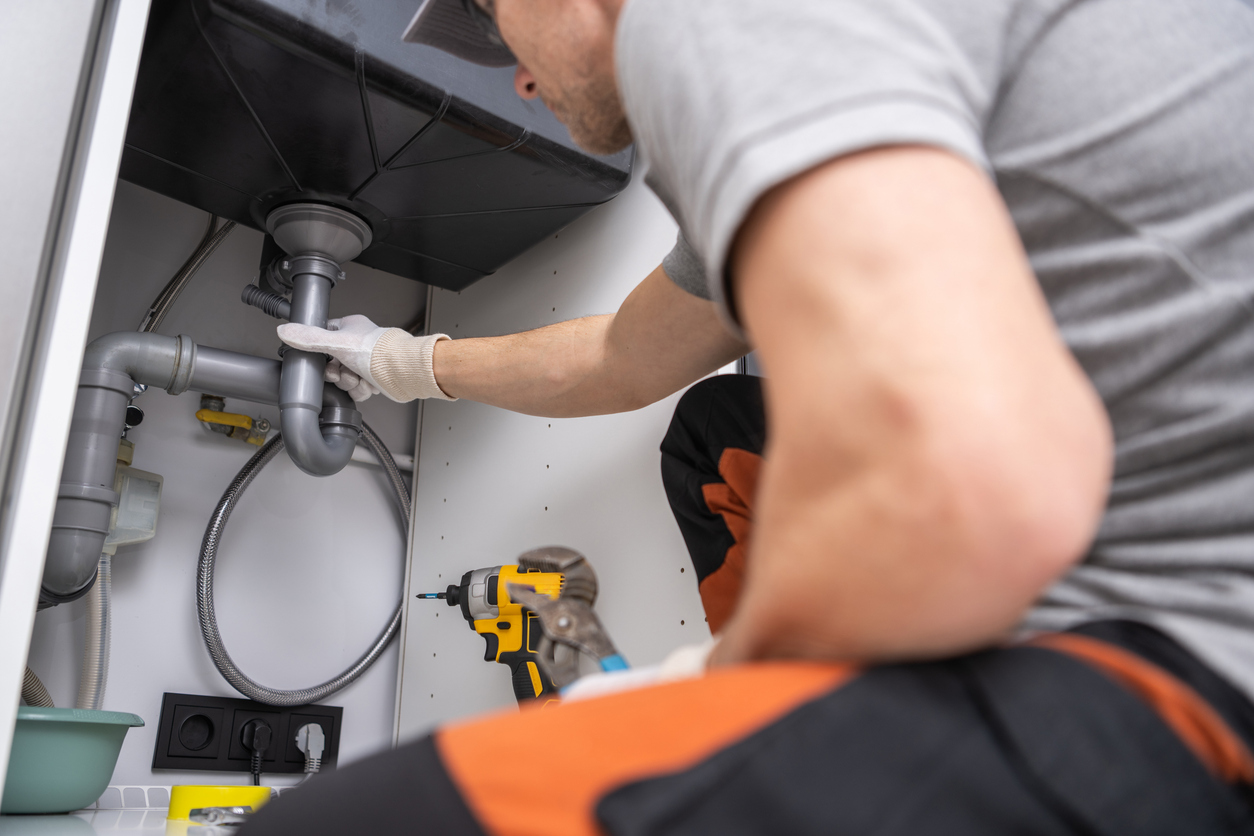
Once one think of a plumber, you may imagine a person fixing a leaky tube and clearing a difficult sewer. Although those tasks are certainly part of the role, a day in the life of a plumber is filled with a range of unexpected obstacles and rewarding moments. Beginning with the early hours service calls to working on recent home building sites, these professionals are essential to keeping our homes running smoothly.
Many homeowners are unaware of the skills required to address the typical plumbing issues and how employing a licensed professional can help them time and money in the long run. Whether it’s managing emergency plumbing situations and offering valuable plumbing maintenance tips to avoid costly fixes, skilled plumbers play a vital role in guaranteeing our well-being and security. In this article, we will examine the realities of a plumber's daily schedule and share insights that might surprise you about this essential profession.
Common Plumbing Concerns and Solutions
Every homeowner eventually encounters plumbing issues that can disrupt daily life. One of the the frequent issues is a dripping faucet. This not only causes irritation but can also lead to significant water waste over time. Plumbers typically address this by replacing worn-out washers or O-rings, providing a tight seal and preventing the leak.
Blocked drains are another irritating plumbing problem. Regardless of whether it's the kitchen sink, bathroom shower, or toilet, blockages can happen for a variety of reasons, such as fat buildup or foreign objects. Professional plumbers utilize specialized tools like drain snakes and hydro-jetting equipment to successfully clear blockages and return water flow while protecting the pipes.
Low water pressure can be an recurring concern for homeowners. This issue may be caused by mineral buildup in pipes or a faulty pressure regulator. To resolve this, plumbers will often examine the plumbing setup, looking for leaks or blockages, and may suggest draining the system or adding a new pressure regulator to ensure consistent water pressure in the home.
Selecting and Collaborating with a Plumber
Opting for the right plumbing professional is vital for ensuring the standard of work and service you get. Start by inquiring acquaintances for referrals, as individual experiences can offer valuable insights. Additionally, look at digital testimonials and feedback to get a wider understanding of the plumbing professional's standing. Make sure that any plumber you are considering is licensed and bonded, as this protects you from liability should anything go wrong during the work.
Once you've narrowed down your choices, it's a good idea to arrange consultations with your preferred candidates. During sewer line repairs , ask about their experience with specific plumbing issues that may concern you, such as leaks, clogs, or installations. This enables you to gauge their expertise and competence. Inquire about their fee model—whether they charge a flat fee or by the hour—and always ask for a written estimate before any work commencing.
After choosing a plumber, open lines of communication is essential to a successful working relationship. Remain honest about your plumbing problems and expectations. Additionally, pose questions about the tasks being done and any maintenance you should think about in the long term. Keeping lines of communication open builds trust and assists you understand the ongoing maintenance that may be required, ultimately leading to a more efficient plumbing setup in your home.
Preventive Maintenance and Emergency Preparedness
Proactive care is vital in avoiding expensive pipes repairs and guaranteeing the durability of your pipe system. Routine inspections and maintenance can assist detect possible problems before they grow into crises. Basic measures like checking for leaks, keeping an eye on water stress, and unclogging drains can save householders from the worry and cost of unexpected breakdowns. Employing a certified plumber for regular care is a smart decision that helps maintain the integrity of your plumbing system.
In addition to routine maintenance, emergency preparedness is critical for every householder. Familiarize yourself with the frequent plumbing emergencies and have a strategy in place for when they arise. Knowing how to turn off the main water line can prevent significant water destruction in case of a broken pipe. Keep the contact of of a reliable local plumber on hand, so that you can quickly seek professional assistance when needed. This proactive strategy ensures that you are not surprised by plumbing problems.
Understanding the significance of proactive pipes practices and being ready for crises can greatly reduce worry and costs for householders. Establishing regular care habits and having an crisis strategy can enhance your assurance in handling unexpected pipe problems. By prioritizing these practices, you can protect your home from possible damage while also fostering a solid relationship with your reliable pipe expert.